✦ Submit a haunted location
🔦 My Investigator Journal
Ghost Planner
🏠 Home 📋 Directory 🗺 Map 🔦 My Journal 📰 Articles 🔦 Equipment guides 🗺 Route planner
Browse by type
🏰 Castles ⛓ Prisons ⛪ Churches 🍺 Pubs & Inns 🏥 Hospitals 🌲 Woodland 💀 Extreme only
United Kingdom Ghost Hunters

Britain's most haunted locations

The definitive directory of verified paranormal hotspots across the UK — with real investigator accounts, pricing, and everything you need to plan your next ghost hunt.

58
Verified locations
12
Regions covered
5
Extreme scare level
Free
To use this directory
Quick:

Browse by category

View all locations →
Haunted Castles
Castles & Fortresses
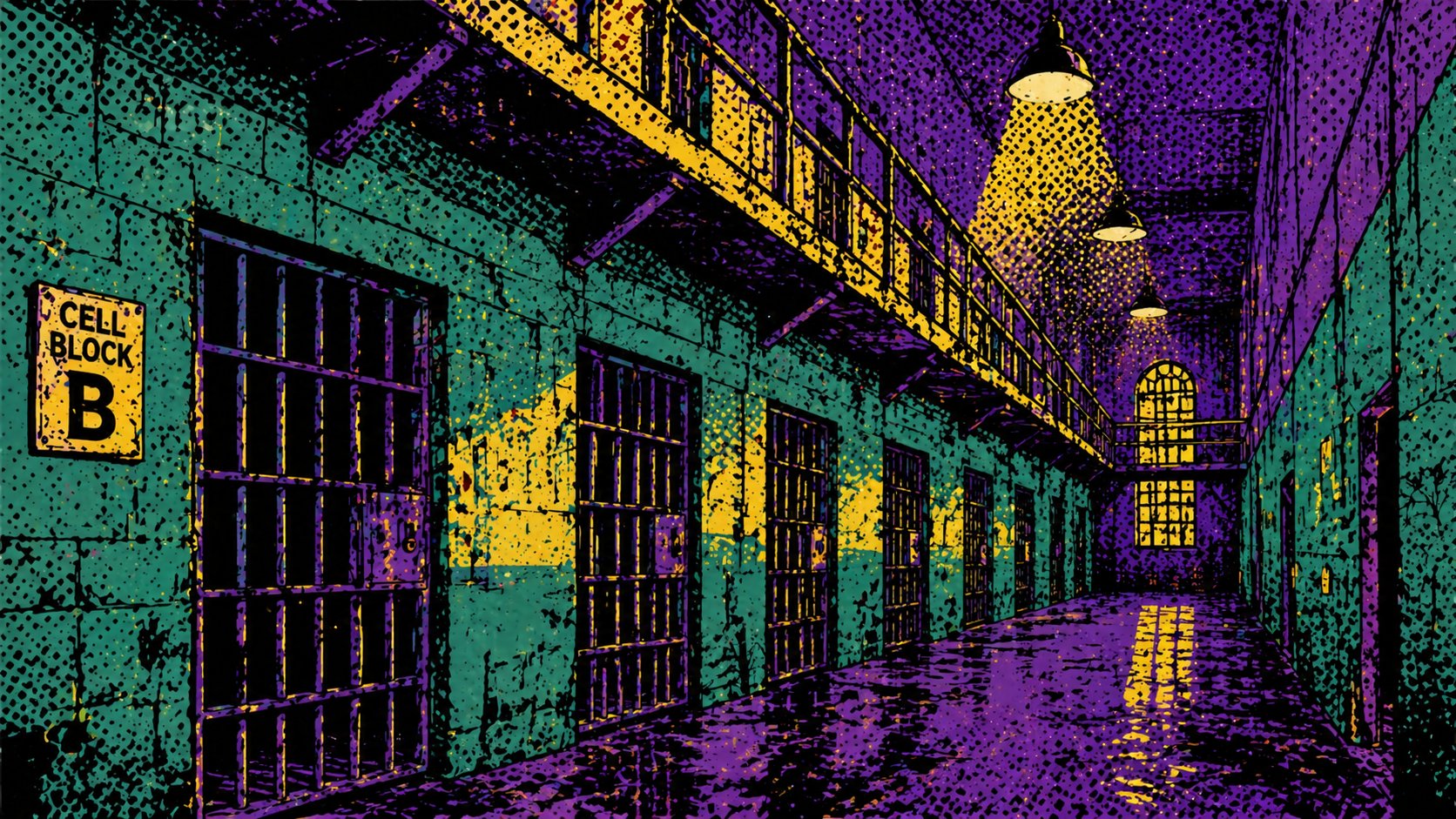
Haunted Prisons
Haunted Prisons
Haunted Houses
Houses
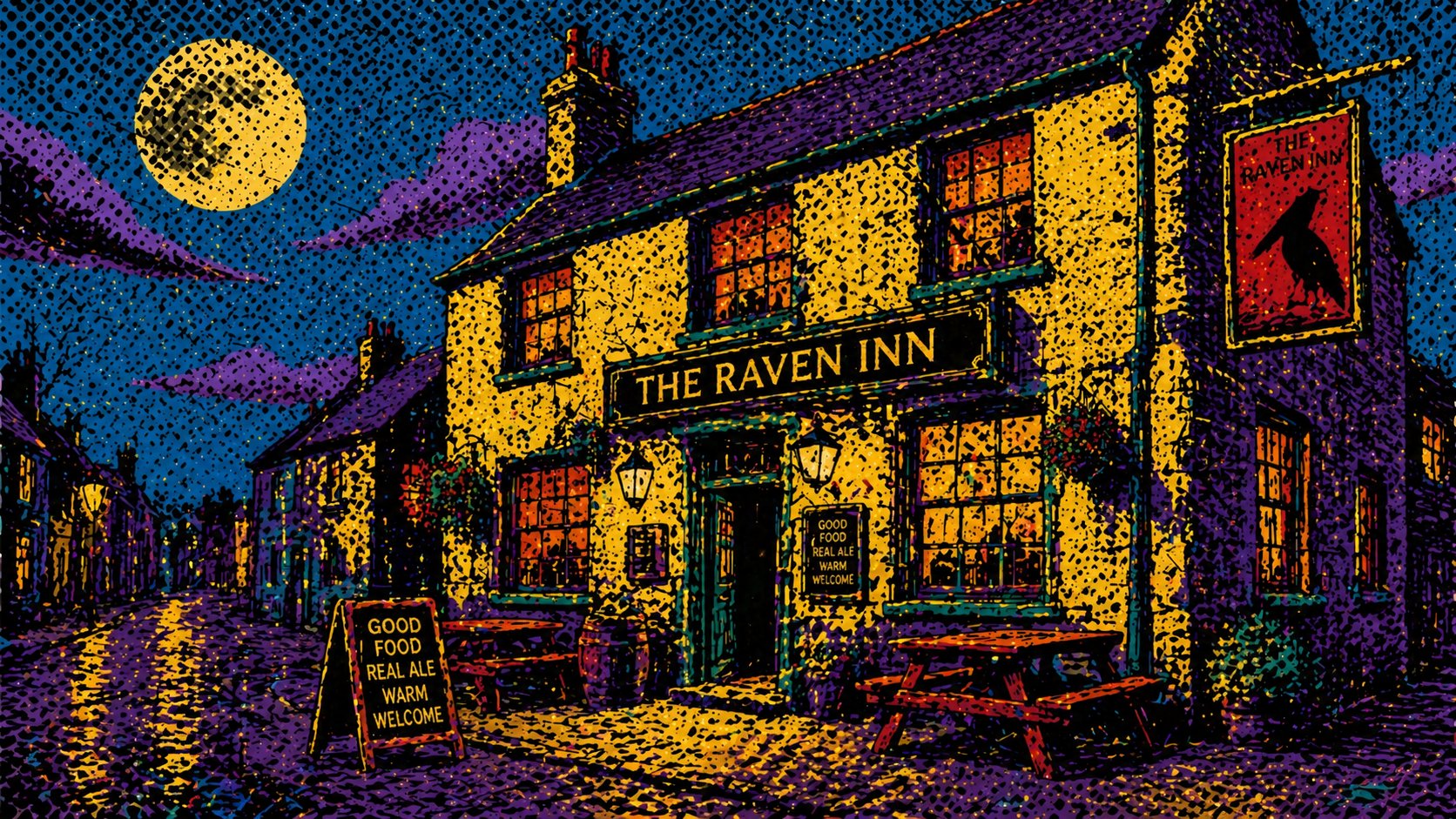
Haunted Pubs and Inns
Inns & Pubs
Haunted Woodland
Woodland & Outdoors
Haunted Hospitals
Hospitals & Asylums
Haunted Churches
Churches & Abbeys
📍 Find haunted locations

Ghost adventures near me

Enter your location and drag the radius slider to find haunted locations within reach. Works anywhere in the UK.

👻

Enter your location above to discover what haunted places are within reach

Latest field testimonies

Add yours →
Ghost Planner — Field Guide
Ghost Hunting Equipment
In-depth guides to every piece of kit serious investigators carry — with honest reliability ratings, price guides, and the science behind each tool.
📡
EMF Meters
Detect electromagnetic field fluctuations — the most widely used tool in paranormal investigation.
From £15 Reliability: Medium Beginner friendly
🎙
EVP Recorders
Electronic Voice Phenomena recorders capture audio anomalies inaudible to the human ear in real time.
From £30 Reliability: Medium Essential kit
🌡
Thermal Cameras
Visualise heat signatures and cold spots — the most cinematic and scientifically grounded tool available.
From £200 Reliability: High Intermediate
📻
Spirit Boxes
Rapid radio frequency scanners believed to generate white noise channels for spirit communication.
From £25 Reliability: Low Controversial
🧸
Trigger Objects
Period-appropriate objects placed to encourage interaction — one of the oldest and most debated techniques.
From £0 Reliability: Low Traditional
📷
Full Spectrum Cameras
Capture light beyond the visible spectrum — UV and infrared — potentially revealing what the naked eye misses.
From £80 Reliability: Medium Intermediate
🔮
REM Pods
Radiates its own electromagnetic field and alarms when that field is disturbed — designed specifically for paranormal use.
From £40 Reliability: Medium Popular
🔫
Laser Grids
Projects a grid of laser dots across a room — any physical disruption becomes immediately visible.
From £10 Reliability: High Visual
🔴
Cat Balls (ITC Spheres)
Motion-activated light-up balls originally made for cats — repurposed as one of the most responsive trigger devices in paranormal investigation.
From £5 Reliability: Medium Fan favourite
🔱
Dowsing Rods
Ancient divination tools used for centuries to locate water, minerals — and spirits. One of the most debated techniques in paranormal research.
From £8 Reliability: Low Traditional
📡
Equipment Guide
EMF Meters
The cornerstone of modern ghost hunting. EMF meters detect fluctuations in electromagnetic fields — and have been a paranormal investigator's standard tool since the early 1990s.
What is an EMF Meter?

An EMF (Electromagnetic Field) meter measures the strength of electromagnetic fields in a given area. These fields are produced by all electrical devices — power lines, wiring, appliances — and occur naturally in the Earth's magnetic field.

In paranormal investigation, the theory is that spirits or entities require or generate energy, and that their presence manifests as fluctuations in local EMF readings. When a meter spikes unexpectedly — in a room with no electrical sources nearby — investigators record it as potential evidence.

The tool was first popularised in ghost hunting by Ed and Lorraine Warren, and later cemented into mainstream paranormal culture by the TV series Ghost Hunters (TAPS) in the early 2000s. Today it is the single most commonly used piece of equipment on any investigation.

The Science
📐 How it actually works
EMF meters work by measuring the strength of electric and magnetic fields, expressed in milliGauss (mG) or microTesla (μT). Most consumer-grade meters are single-axis, meaning they measure field strength in one direction at a time. Three-axis meters (more expensive) measure all three spatial dimensions simultaneously and are far more accurate. Natural background EMF in a building is typically 0.1–2.5mG. Spikes above 2.5mG near non-electrical sources are considered anomalous. High EMF exposure (above 4mG sustained) is also linked in some research to feelings of anxiety, paranoia, and visual disturbances — which may explain some "haunting" experiences without paranormal cause.
Reliability Breakdown
Detecting real EMF
95%
Paranormal correlation
30%
False positive rate
55%
Ease of use
90%
Price Guide
ModelTypePriceBest for
Mel-8704REMF + Temp combo£60–£90Serious investigators
K-II EMF MeterSingle-axis LED£25–£40Beginners, TV-style
Trifield TF2True 3-axis£140–£180Accurate readings
Digital EMF-823ABasic digital£15–£25Budget / backup
Acoustimeter AM-10RF + EMF£140–£200Advanced RF detection
Recommended Models
Best Overall
Mel-8704R
£65–£85
★★★★★
Combines EMF and ambient temperature in one unit. The red backlit display is iconic. Used on Most Haunted and Ghost Adventures. Designed by Gary Galka for paranormal use specifically.
Best Budget
K-II EMF Meter
£28–£40
★★★★☆
The classic LED bar meter made famous by Most Haunted. Simple, durable, and very easy to read in the dark. Not the most accurate but excellent for beginners and group investigations.
Most Accurate
Trifield TF2
£150–£180
★★★★★
True three-axis simultaneous measurement. Used by engineers and researchers as well as investigators. Analogue needle gives real-time response. The gold standard for serious teams.
Advantages
Inexpensive entry-level options
Immediate visual feedback
Works in total darkness
Detects real, measurable data
Widely understood by all investigators
Limitations
Triggered by all electrical sources
No scientific proof of ghost-EMF link
Single-axis meters miss 2/3 of readings
High false positive rate in old buildings
Investigators' phones cause interference
🔦 Investigator Tip
Always baseline sweep your entire location before the investigation begins. Map every existing EMF source — old wiring, fuse boxes, appliances — so you know exactly what's normal for that building. Only then can an unexplained spike mean anything at all.
Ghost Planner Verdict
EMF meters are essential kit — not because they definitively detect spirits, but because they detect real, measurable anomalies. A spike in an electrically dead room is genuinely interesting data. Buy at least two (a K-II for atmosphere, a Trifield for accuracy) and always baseline first. Don't mistake your walkie-talkie for a ghost.
🎙
Equipment Guide
EVP Recorders
Electronic Voice Phenomena — audio captured on recording devices that wasn't audible to the human ear at the time. One of the most compelling and most debated areas of paranormal research.
What is an EVP Recorder?

EVP (Electronic Voice Phenomena) recorders are digital audio recorders — often with enhanced sensitivity — used to capture sounds inaudible to the human ear during an investigation. The recorded audio is reviewed afterwards for unexplained voices, whispers, bangs, or responses to questions.

The phenomenon was first documented in 1959 by Swedish painter Friedrich Jürgenson, who accidentally recorded what he believed were voices of the dead while recording birdsong. Latvian psychologist Konstantīns Raudive then collected over 100,000 recordings of alleged spirit voices, publishing his findings in 1971.

EVP is classified into three grades: Class A (clear, understood without headphones), Class B (audible but requires headphones or context), and Class C (barely audible, highly subjective).

🧪 The Sceptic's View
Mainstream scientists attribute EVP to auditory pareidolia — the brain's tendency to find meaningful patterns (especially voices and faces) in random noise. A 2014 study by the University of Hertfordshire found that people primed to expect voices in white noise were significantly more likely to "hear" them. This doesn't mean all EVP is fabricated — it means human review is inherently unreliable, and multiple independent listeners should agree on any Class A capture before it's considered significant evidence.
Reliability Breakdown
Audio capture quality
88%
EVP legitimacy rate
25%
Auditory pareidolia risk
70%
Ease of review
55%
Price Guide
ModelTypePriceBest for
Zoom H1nStereo field recorder£80–£110High-quality capture
Olympus WS-883Digital voice recorder£45–£65Reliable budget option
Sony ICD-UX570Hi-res recorder£70–£90Clarity + long battery
Tascam DR-05XStereo recorder£70–£95Team investigations
Roland R-07Premium field recorder£180–£220Studio-grade EVP work
Best Overall
Zoom H1n
£85–£110
★★★★★
Used by journalists, filmmakers, and paranormal investigators alike. Stereo X/Y microphones capture directional audio beautifully. WAV format, 96kHz/24-bit. Excellent noise floor for EVP analysis.
Best Budget
Olympus WS-883
£48–£65
★★★★☆
Workhorse of the paranormal community. Long battery, simple operation, USB direct transfer. 8GB internal memory. More than adequate for most investigations and EVP sessions.
Best for Teams
Tascam DR-05X
£72–£95
★★★★★
Omni and cardioid mic patterns, time-stamp markers, and AB/XY stereo modes. Investigators can mark moments of activity in real time. Excellent for large buildings with multiple rooms.
Advantages
Captures audio you literally cannot hear
Creates a permanent evidence record
Class A EVP is genuinely compelling
Can run unattended all night
Doubles as investigation log
Limitations
Review is extremely time-consuming
Auditory pareidolia is unavoidable
Building sounds mimic voices constantly
Requires quiet, controlled environment
Subjective interpretation is the norm
🔦 Investigator Tip
Place a recorder in each room running continuously, and use a second device for active EVP sessions. When reviewing, play audio back at half speed and use free software like Audacity to boost specific frequency ranges (500–3000Hz is the human voice band). Never decide on an EVP alone — have at least three people independently listen and agree.
Ghost Planner Verdict
EVP recording is genuinely essential — not because all EVP is paranormal, but because the recorder sees everything. It's your evidence log, your timeline, and your most honest witness. Invest in a decent unit (Zoom H1n is hard to beat), always timestamp your own team's noises out loud, and be brutal during review. The most credible EVP is the one you almost didn't notice.
🌡
Equipment Guide
Thermal Imaging Cameras
The most visually dramatic and scientifically credible tool in ghost hunting. Thermal cameras reveal heat signatures invisible to the naked eye — and cold spots are one of the most consistently reported paranormal phenomena.
What is a Thermal Camera?

Thermal imaging cameras detect infrared radiation — heat — emitted by all objects and display it as a false-colour image. Hotter areas appear red, orange or white; cooler areas appear blue, purple or black. They are used in engineering, medicine, firefighting, and military applications, and have crossed over into paranormal investigation as a way to detect unexplained temperature anomalies.

Cold spots are one of the most universally reported paranormal phenomena. The theory is that spirits draw thermal energy from their environment in order to manifest, creating localised temperature drops. A thermal camera can detect and visualise these drops in real time — far more reliably than a thermometer, which only reads one point at a time.

🌡 Temperature & The Paranormal
Cold spots in haunted buildings often have mundane explanations — draughts, convection from old single-glazed windows, cold stone walls, air conditioning. Thermal cameras are actually more useful for ruling these out than for proving paranormal activity. A genuine anomalous cold spot — one that moves through a room with no airflow present, or appears and disappears in the same location repeatedly — is genuinely difficult to explain by conventional means. The camera gives you the data to make that distinction.
Reliability Breakdown
Temperature accuracy
95%
Anomaly detection
80%
False positive rate
40%
Evidence quality
85%
Price Guide
ModelResolutionPriceBest for
FLIR ONE Pro160×120 (MSX enhanced)£350–£450Smartphone attachment, portable
Seek Thermal Compact Pro320×240£250–£320High res phone attachment
FLIR C5160×120£550–£700Standalone, rugged
InfiRay P2 Pro256×192£200–£280Budget standalone option
FLIR E6-XT240×180£1,200–£1,600Professional investigations
Best Overall
FLIR ONE Pro
£370–£440
★★★★★
Attaches to your smartphone. FLIR's MSX technology overlays a visible light image on the thermal, giving stunning clarity. Records video and stills. The industry standard for investigators who want quality without professional pricing.
Best Budget
InfiRay P2 Pro
£200–£270
★★★★☆
Excellent value smartphone attachment. 256×192 resolution beats most FLIR consumer units. Chinese manufacturer but solid build quality. Good choice for investigators taking their first step into thermal imaging.
Best Standalone
FLIR C5
£570–£680
★★★★★
Rugged, waterproof, no phone required. Touchscreen display, built-in WiFi for sharing. WiFi video streaming to a tablet is brilliant for team investigations. The serious investigator's field unit.
Advantages
Scientifically valid measurements
Visualises entire rooms at once
Detects anomalies in real time
Eliminates mundane cold spot causes
Creates compelling visual evidence
Limitations
Significant cost barrier
Cold spots usually have normal causes
Low-res consumer units miss detail
Glass surfaces cause reflections
Requires baseline thermal survey first
🔦 Investigator Tip
Never point a thermal camera at glass — it reflects thermal radiation and will give false readings. Thermal cameras also cannot see through glass. Always do a full thermal sweep of the building before your investigation to establish baseline temperatures in each room, and note the location of all air vents, windows, and external walls.
Ghost Planner Verdict
The thermal camera is the most credible piece of kit in a serious investigator's kit bag. It measures real physical data and lets you rule out or confirm temperature anomalies with genuine scientific rigour. Budget at least £250. The FLIR ONE Pro is the sweet spot. If your team can afford only one premium piece of equipment, this is it.
📻
Equipment Guide
Spirit Boxes
The most controversial piece of equipment in ghost hunting. Spirit boxes rapidly scan AM/FM radio frequencies, generating white noise and audio fragments that investigators believe spirits can use to form words.
What is a Spirit Box?

A spirit box (also called a ghost box or Frank's Box) is a modified radio receiver that rapidly sweeps through AM or FM frequencies — anywhere from 50ms to 350ms per station. The result is a stuttering stream of white noise, radio fragments, and electronic sounds. The theory is that spirits can manipulate this audio stream to produce intelligible words or phrases in real time.

The first device was built in 2002 by Frank Sumption, a paranormal researcher who called it "Frank's Box." It was popularised heavily by Ghost Adventures on the Travel Channel, and dozens of commercial versions now exist. The SB7 Spirit Box became the genre-defining unit.

🔬 The Honest Assessment
There is currently no peer-reviewed scientific evidence that spirit boxes capture genuine spirit communication. The results are almost entirely explainable by audio pareidolia (hearing meaningful words in random noise), confirmation bias (finding responses that match questions when none were intended), and the law of large numbers (enough random audio fragments will occasionally produce recognisable words by chance). That said, responses that are contextually specific, immediate, and independently verified by multiple listeners are genuinely difficult to dismiss.
Reliability Breakdown
Audio generation
99%
Genuine communication
15%
Pareidolia rate
80%
Entertainment value
95%
Price Guide
ModelTypePriceNotable feature
SB7 Spirit BoxAM/FM sweep£35–£55Industry standard, adjustable sweep
SB11 Spirit BoxDual sweep (AM+FM)£60–£90Dual frequency simultaneous
Paranormal Puck 2Word generator£120–£160EMF + word generation combo
P-SB7TTemp + sweep£55–£75Temperature display included
Ovilus 5Phonetic generator£150–£200Dictionary-based word output
Advantages
Highly atmospheric and immersive
Occasionally produces specific responses
Great for group participation
Cheap entry point
Provides real-time audio feedback
Limitations
Results almost never independently verified
Heavily vulnerable to pareidolia
Background radio can be mistaken for EVP
No scientific consensus on mechanism
Dismissed by most serious researchers
🔦 Investigator Tip
If you use a spirit box, record every session. Ask specific, testable questions — things a radio fragment could not plausibly answer by chance, like a name or a number. Treat any response as interesting but unverified unless three or more listeners independently agree on what was said without being told first.
Ghost Planner Verdict
Use a spirit box for the experience, not for evidence. It's atmospheric, it creates group energy, and occasionally something genuinely startling comes through. But it should never be your primary evidence tool. If you want to take your investigation seriously, pair it with an EVP recorder running simultaneously — and let the recording speak for itself.
🧸
Equipment Guide
Trigger Objects
One of the oldest techniques in paranormal investigation. Placing period-specific or personally meaningful objects to encourage spirit interaction — documented since the earliest days of Victorian ghost hunting.
What are Trigger Objects?

Trigger objects are physical items placed in a location to encourage paranormal interaction. The theory is that spirits — particularly those connected to a specific place or time — may be more likely to interact with objects that are meaningful or familiar to them. A child's toy in a room where a child died. A set of keys in a prison cell. Period coins in a Victorian house.

Modern investigators typically place trigger objects on a sheet of paper and draw around them, or attach them to motion-sensitive devices, so that any movement can be documented. Some investigators use flour or talc to detect footprints or impressions around objects left overnight.

Reliability Breakdown
Object placement simplicity
99%
Documented interaction rate
12%
Contamination risk
65%
Evidence credibility
20%
Best Objects to Use
Location TypeSuggested Trigger ObjectsRationale
Prison / jailKeys, coins, playing cardsItems prisoners had access to
Haunted housePeriod toys, photographs, jewelleryPersonal connection to residents
Pub / innOld coins, tankards, clay pipesPeriod-appropriate items
Hospital / asylumMedicine bottles, watches, lettersItems belonging to patients
Church / graveyardRosary beads, candles, BiblesReligious connection
Castle / manorCandles, quills, period currencyAristocratic / military objects
Advantages
Costs almost nothing
Creates purposeful investigation structure
Engages the whole team
Occasionally produces striking results
Works well paired with cameras
Limitations
Easily contaminated by vibration
Results almost never conclusive
Buildings settle, objects move naturally
Difficult to control all variables
Not taken seriously as evidence
🔦 Investigator Tip
Always place a camera trained directly on your trigger object setup. Draw around every item before you leave the room, and check the floor is level with a spirit level first. Leave the room sealed overnight if possible, or at minimum for 30 minutes at a time. Any movement without a camera record is not evidence.
Ghost Planner Verdict
Trigger objects are one of the most atmospheric parts of an investigation and cost you nothing. The technique is ancient and the results are rarely conclusive — but placing a child's toy in the nursery of a Victorian manor and finding it moved in the morning is the kind of moment that stays with you. Always use a camera. Always draw around the object. Always check the floor is level.
📷
Equipment Guide
Full Spectrum Cameras
Standard cameras only capture visible light. Full spectrum cameras see ultraviolet and infrared light too — light that human eyes simply cannot perceive. The theory: paranormal entities may manifest in spectra we can't see.
What is a Full Spectrum Camera?

A full spectrum camera is a standard digital camera that has had its internal IR-cut filter removed. This filter, present in all consumer cameras, blocks ultraviolet (UV) and infrared (IR) light to make images look natural to the human eye. Without it, the camera captures the full electromagnetic spectrum from approximately 380nm (UV) to 1100nm (near-infrared).

For ghost hunting, the premise is that paranormal entities may exist or manifest in light spectra outside human vision. A full spectrum camera paired with a UV or IR illuminator light source can therefore capture what would otherwise be completely invisible. Many investigators have reported capturing figures, mists, or anomalies that were not visible during filming.

💡 The Spectrum Explained
Visible light occupies wavelengths from 380nm (violet) to 700nm (deep red). UV light sits below 380nm; near-infrared above 700nm. Human eyes cannot see either. A full spectrum camera captures all three ranges simultaneously. The result in normal light is a slightly warm-toned image with some colour shifting. In darkness with an IR illuminator, the camera produces clear night-vision footage — standard on most paranormal TV productions. In UV light, certain surfaces fluoresce that would otherwise appear normal.
Reliability Breakdown
Image quality
85%
Night vision performance
90%
Paranormal anomaly capture
25%
Evidence credibility
45%
Price Guide
OptionTypePriceNotes
GhostStop FS-C1Dedicated full spectrum£160–£220Purpose-built for investigations
Converted SonyProfessional conversion£300–£600Send your Sony to a conversion lab
Converted Canon DSLRDSLR conversion£250–£500Highest image quality option
IR CCTV CameraInfrared only£30–£80Good room monitoring option
SainSonic Full SpectrumBudget option£80–£120Entry level, adequate for beginners
Advantages
Captures what the eye cannot see
Excellent night vision capability
Used by professional TV productions
UV mode reveals hidden details
Creates high-quality video evidence
Limitations
Requires dedicated IR/UV illuminator
Converted cameras are expensive
Lens flare mimics anomalies
Dust orbs are misidentified constantly
No scientific basis for the theory
🔦 Investigator Tip
Dust orbs are the nemesis of full spectrum cameras. Any particle in the air — dust, pollen, moisture — will appear as a glowing orb on IR. Always have a baseline dust reading, avoid walking near the camera, and never present an orb as evidence without ruling out particulate contamination first. Keep the lens spotlessly clean.
Ghost Planner Verdict
Full spectrum cameras are worth having for the night vision capability alone — they transform how you work in the dark. Whether they genuinely capture the paranormal beyond what a regular camera would is unproven, but they produce the best quality video for review and presentation. Start with a purpose-built unit rather than risking a botched conversion of a good camera.
🔮
Equipment Guide
REM Pods
Unlike EMF meters that detect existing fields, REM Pods generate their own mini electromagnetic field — and alarm when something enters or disrupts that field. Purpose-built for paranormal investigation.
What is a REM Pod?

A REM Pod (Radiating Electro-Magneticity Pod) was invented by Gary Galka of DAS Distribution — the same engineer who created the Mel Meter. It contains an antenna that radiates a small electromagnetic field around itself, and a circuit that detects any disturbance to that field. When something — conductive or otherwise — enters or disrupts the field, the device sounds an alarm and lights up a ring of coloured LEDs indicating the intensity of the disturbance.

Unlike a standard EMF meter (which passively detects existing fields), the REM Pod actively creates its own field. This means it can alarm in a room with no electrical sources whatsoever — making false positives from wiring or appliances far less likely. Many investigators consider it the most isolated trigger device available.

Reliability Breakdown
Field disruption detection
90%
False positive resistance
75%
Paranormal correlation
30%
Ease of use
95%
Price Guide
ModelFeaturesPriceRating
Original REM Pod (DAS)Standard, 4-colour LED£55–£80★★★★★
REM Pod ATDD+ Ambient temp display£70–£95★★★★★
Ghost Hunting Store REMUK clone, basic£35–£50★★★☆☆
Paranormal Puck 2EMF + word gen combo£120–£160★★★★☆
Advantages
Creates its own field — not dependent on wiring
Colour-coded response is intuitive
Works unattended as trigger alarm
Purpose-built for paranormal use
Works well as yes/no communication tool
Limitations
Radio signals can trigger it
Team members' phones cause alarms
No explanation for why spirits trigger it
Many cheap clones on the market
Results rarely independently replicable
🔦 Investigator Tip
Place your REM Pod in the centre of a room, step back at least 3 metres, and ensure all team members have their phones in aeroplane mode before the session. Test the range with your hand first so you understand how far the field extends. Never hold it — the field must be free to radiate in all directions.
Ghost Planner Verdict
The REM Pod is one of the more scientifically interesting devices in the investigator's kit because it generates a measurable, controllable field that can be disturbed. Always buy the original DAS unit — cheap clones are unreliable. The ATDD version with ambient temperature is worth the extra cost. Phones off. Always.
🔫
Equipment Guide
Laser Grid Pens
The simplest and most visually striking tool in ghost hunting. A laser grid projects hundreds of green dots across a room — any physical disturbance, shadow, or movement through the field becomes immediately visible.
What is a Laser Grid?

A laser grid pen is a handheld device that projects a matrix of laser dots — typically green at 532nm — across a room using a diffractive optical element. Set on a stand, it floods an entire wall, corridor, or doorway with a visible grid of points. Any physical object passing through the field will cast a shadow or interrupt dots, creating a visible anomaly that can be seen and filmed in real time.

The laser grid is one of the few pieces of ghost hunting equipment that measures a genuinely physical phenomenon — the interruption of light — rather than electromagnetic or audio data. If a dot disappears and nothing physical is present to block it, that is a genuine anomaly. This is why many serious investigators rate laser grids highly despite their low cost.

Reliability Breakdown
Physical anomaly detection
92%
False positive rate
20%
Ease of setup
98%
Evidence credibility
70%
Price Guide
ModelTypePriceNotes
GhostStop Laser GridDedicated paranormal£25–£40Tripod mount, constant beam
Green Laser Grid Pen 50mWGeneric, works well£8–£15Most used budget option
Rother Valley Optics GridUK supplier£20–£35Good UK warranty support
Laser Grid + Stand KitBundle£30–£55Everything included
Advantages
Extremely cheap
Detects actual physical anomalies
Lowest false positive rate of any tool
Visually compelling on camera
Can cover entire doorways or rooms
Limitations
Cannot identify what caused disruption
Insects, dust, and air can disrupt dots
Requires total darkness to see dots clearly
Eye safety risk if misused
Team members must stay completely still
🔦 Investigator Tip
Never point a laser grid pen directly at people's eyes — they are Class IIIa or IIIb lasers. Mount it on a small tripod and angle it to cover a doorway or hallway rather than a flat wall — movement through a doorway is more significant than a dot shifting on a surface. Always have a camera trained on the grid throughout.
Ghost Planner Verdict
The laser grid is the best value piece of equipment in ghost hunting by a considerable margin. For under £15 you have a tool that measures real physical data, looks fantastic on camera, and has a lower false positive rate than anything else in your kit bag. Every team should have at least two. Mount them on tripods covering doorways, and never move while they're active.
🔴
Equipment Guide
Cat Balls (ITC Spheres)
Motion-activated light-up balls designed for cats — accidentally discovered to be one of the most visually responsive trigger devices in paranormal investigation. Cheap, simple, and genuinely hard to fake.
What are Cat Balls?

Cat balls — formally called ITC (Instrumental TransCommunication) Spheres in the paranormal community — are small motion-activated LED balls originally sold as cat toys. Inside each ball is a mercury tilt switch or ball-bearing sensor that triggers a bright LED flash when the ball is touched, rolled, or sufficiently disturbed.

Paranormal investigators began using them after noticing they responded to stimuli that shouldn't have been there — activating in sealed, still rooms with no air movement, or lighting up in direct apparent response to investigator questions. Their appeal is simple: they are cheap, incredibly sensitive, visually dramatic in the dark, and easy to see on camera.

Unlike many devices that require interpretation of readings, a cat ball either lights up or it doesn't. This binary response makes it one of the most compelling tools for apparent yes/no communication during an investigation.

⚙️ How the Sensor Works
Consumer cat balls use either a mercury tilt switch (now being phased out in favour of ball-bearing alternatives for safety reasons) or a small steel ball resting against electrical contacts. Any movement — even a fraction of a millimetre — breaks or completes the circuit and triggers the LED. The sensitivity varies significantly between brands: cheap balls require a visible roll to activate, while premium ITC spheres can respond to what feels like a touch of air. Vibration from footsteps, HVAC systems, or even bass frequencies from audio equipment can trigger them, which is why baseline testing is essential.
Reliability Breakdown
Trigger sensitivity
88%
False positive rate
50%
Camera visibility
95%
Evidence credibility
45%
Price Guide
ProductTypePriceNotes
GhostStop ITC SB1 SphereDedicated paranormal£18–£28Best sensitivity, purpose-built
Vivi-cat Motion Ball (pack of 4)Cat toy, good sensitivity£6–£10Most popular budget option
PetDroid BoltzMotorised, very sensitive£12–£18Motorised but usable for ITC
Halloween motion ballsSeasonal, generic£5–£8Often best sensitivity per £
Paranormal Investigator pack (x6)Multi-ball kit£25–£40Cover multiple rooms at once
How to Use Them

Place cat balls on a flat, level surface — ideally on the floor of the location being investigated. Leave them completely still for at least 5 minutes before beginning your session to ensure they are not still settling. Then withdraw to at least 3 metres distance and observe.

Many investigators use them as a direct communication tool: "If there is a presence with us, can you touch or move the ball?" The response — or lack of it — is recorded on camera. The most compelling evidence comes from balls that activate in immediate apparent response to a specific question, then stop, then respond again.

Advantages
Extremely cheap — buy in bulk
Binary response — on or off, no interpretation
Visually stunning on camera in darkness
Highly sensitive to minimal disturbance
Great for yes/no communication sessions
Can be placed in multiple rooms simultaneously
Limitations
Vibration from footsteps triggers them
HVAC air movement causes false activations
Bass frequencies from audio can trigger
Battery life varies wildly between brands
Quality control inconsistent on cheap versions
Difficult to take seriously as hard evidence
🔦 Investigator Tip
Before any session, tap the floor near each ball while everyone watches — note how hard you have to tap to trigger it. This establishes your sensitivity baseline. During the investigation, everyone must stand completely still when observing cat balls, and nobody should walk in any adjacent room. Place them away from vents, windows, and anything that vibrates. If a ball activates while someone is moving, it doesn't count.
Ghost Planner Verdict
Cat balls are one of the best value additions to any investigator's kit. Buy a multi-pack, spread them across your location, and have a camera on each one. They won't convince a sceptic — but they create some of the most atmospheric investigation footage you'll ever record, and occasionally something activates one that really shouldn't be able to. At £6 for four, there's no excuse not to have them.
🔱
Equipment Guide
Dowsing Rods
Used for over four thousand years to locate water, minerals, and — in more recent centuries — spirits. Dowsing rods remain one of the most debated and most evocative tools in the paranormal investigator's arsenal.
What are Dowsing Rods?

Dowsing rods are L-shaped or Y-shaped tools — traditionally made from hazel, willow, or copper — held loosely in the hands and believed to respond to hidden energies, water sources, or spiritual presences by crossing, diverging, or rotating. The practice is documented as far back as ancient Egypt and China, and was widespread across medieval Europe for locating underground water and metals.

In paranormal investigation, copper L-rods are the most common form. The investigator holds one rod loosely in each hand, parallel and pointing forward. When a presence is sensed — according to believers — the rods cross (indicating yes) or diverge outward (indicating no), or rotate to point in the direction of activity.

Dowsing has been used in paranormal contexts since at least the early 1900s, and remains popular in both amateur and professional paranormal investigation circles, particularly in the UK where it intersects with ley line and earth energy beliefs.

🔬 The Ideomotor Effect
The mainstream scientific explanation for dowsing rod movement is the ideomotor effect — unconscious, involuntary muscle movements triggered by expectation, suggestion, or subconscious belief. The holder genuinely does not feel themselves moving the rods; the movement appears autonomous. Controlled double-blind studies of water dowsing have consistently shown results no better than chance. A 1987 study by James Randi showed experienced dowsers performing at the expected random rate when they could not see where pipes were laid. However, proponents argue this doesn't account for the rods responding to questions — an element not tested in standard dowsing studies.
Reliability Breakdown
Consistency between users
20%
Double-blind accuracy
10%
Atmospheric impact
90%
Investigator experience
85%
Types of Dowsing Rods
TypeMaterialPriceBest for
L-Rods (copper)Copper tube with handle£10–£20Most popular, yes/no questions
Y-Rod (hazel)Natural forked branch£0–£15Traditional water dowsing style
Bobber rodFlexible spring wire£8–£18Vertical yes/no motion
PendulumCrystal or metal weight£5–£30Static location work
Telescopic L-rodsStainless steel£15–£35Durable, adjustable length
How to Use Them

Hold one L-rod loosely in each hand, resting in the crook of your fingers — not gripped. Your elbows should be at roughly 90 degrees, rods pointing forward and parallel. Walk slowly through the location. Ask yes/no questions out loud or in your head. If using as a directional tool, ask the rods to point toward the source of activity and follow where they lead.

Always have a second person observe your hands to ensure you are not consciously moving the rods — ideally someone who can see your wrists. Video evidence of rods moving with visibly still hands is far more compelling than self-reported movement.

Famous Dowsing Claims

The British Society of Dowsers, founded in 1933, has documented thousands of accounts of successful water and mineral location by dowsing. During both World Wars, dowsing was reportedly used by military units to locate mines and water sources in the field. Tom Lethbridge — a Cambridge archaeologist and dowser — developed an elaborate theory in the 1960s linking dowsing to electromagnetic fields and psychic phenomena that influenced a generation of UK paranormal researchers.

Advantages
Ancient, atmospheric, and evocative
Extremely cheap to acquire
No batteries or technical knowledge
Works well for location walkthroughs
Creates engaging group participation
Rich historical and cultural context
Limitations
Ideomotor effect almost certainly explains results
No controlled study has validated it
Results vary wildly between operators
Cannot be independently verified
Dismissed entirely by mainstream science
Results not replicable in blind conditions
🔦 Investigator Tip
Try a simple blind test before your investigation: have a colleague place a hidden object in one of three locations without telling you which one. Use the rods to locate it. Do this ten times. If your results are significantly above the 33% chance baseline, you may have something worth exploring. If not — use the rods for atmosphere, not evidence.
Ghost Planner Verdict
Dowsing rods are best used as an experiential tool rather than an evidence-gathering one. The history is fascinating, the technique is simple, and walking through a medieval castle with copper rods is genuinely atmospheric. But any serious investigator must acknowledge the ideomotor effect and never present rod movement as hard evidence. Use them to guide your investigation, not to prove it.

Filter locations
Region
Sort by
👻
Welcome to Ghost Planner